 English
 Español
  Português
  русский
  Français
  日本語
日本語  Deutsch
  tiếng Việt
  Italiano
  Nederlands
  ภาษาไทย
  Polski
  한국어
한국어  Svenska
  magyar
  Malay
Malay  বাংলা ভাষার
  Dansk
Dansk  Suomi
Suomi  हिन्दी
  Pilipino
  Türkçe
  Gaeilge
  العربية
  Indonesia
  Norsk
Norsk  تمل
تمل  český
český  ελληνικά
  український
  Javanese
  فارسی
فارسی  தமிழ்
தமிழ்  తెలుగు
  नेपाली
  Burmese
  български
  ລາວ
ລາວ  Latine
  Қазақша
  Euskal
  Azərbaycan
  Slovenský jazyk
  Македонски
  Lietuvos
  Eesti Keel
  Română
  Slovenski


How Do Nickel-Plated Hex Nuts Improve Corrosion Resistance Compared to Zinc-Plated Nuts
Nickel-plated hex nuts are widely recognized for their superior corrosion resistance, durability, and aesthetic appeal compared to traditional zinc-plated fasteners. This in-depth article explores how nickel plating enhances the performance of hex nuts, compares nickel-plated and zinc-plated nuts in various environments, and explains why industries increasingly rely on nickel-plated hex nuts for demanding applications. By understanding material properties, plating processes, and real-world use cases, engineers and buyers can make informed fastening decisions.
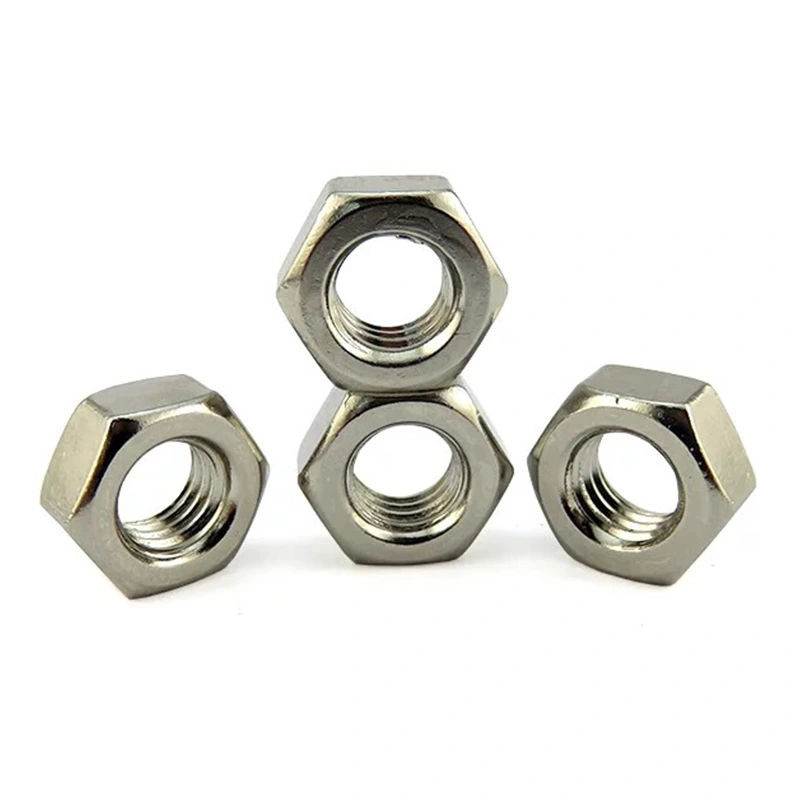
Table of Contents
- 1. What Are Nickel-Plated Hex Nuts?
- 2. Why Corrosion Resistance Matters in Fasteners
- 3. How Nickel Plating Works on Hex Nuts
- 4. Nickel-Plated vs Zinc-Plated Hex Nuts: A Detailed Comparison
- 5. Performance in Different Environments
- 6. Industrial Applications of Nickel-Plated Hex Nuts
- 7. Standards and Quality Control
- 8. How to Choose the Right Nickel-Plated Hex Nuts
- FAQ
1. What Are Nickel-Plated Hex Nuts?
Nickel-plated hex nuts are standard hexagonal fasteners made from carbon steel or alloy steel and coated with a layer of nickel through an electroplating process. The nickel layer serves as a protective barrier that enhances corrosion resistance, wear resistance, and surface hardness while maintaining precise thread tolerances.
Unlike uncoated or lightly plated fasteners, nickel-plated hex nuts offer both functional and visual advantages, making them suitable for high-performance and decorative applications alike.
Manufacturers like JINSIXI specialize in producing high-quality nickel-plated hex nuts that meet international standards and deliver consistent performance across industries.
2. Why Corrosion Resistance Matters in Fasteners
Corrosion is one of the most common causes of fastener failure. When metal fasteners are exposed to moisture, chemicals, salt spray, or temperature fluctuations, oxidation can weaken threads, reduce clamping force, and eventually lead to structural failure.
- Reduced mechanical strength
- Difficulty during disassembly
- Increased maintenance costs
- Shortened product lifespan
This is why selecting fasteners with superior corrosion resistance—such as nickel-plated hex nuts—is critical in both industrial and commercial applications.
3. How Nickel Plating Works on Hex Nuts
Nickel plating is an electrochemical process where a thin layer of nickel is deposited onto the surface of a steel hex nut. This layer acts as a dense, uniform shield that protects the base metal from environmental exposure.
Key Characteristics of Nickel Plating
- High resistance to oxidation and rust
- Excellent adhesion to steel substrates
- Smooth, bright, or satin finish
- Improved wear and abrasion resistance
Compared to zinc plating, nickel plating forms a more stable protective barrier, especially in high-humidity and mildly corrosive environments.
4. Nickel-Plated vs Zinc-Plated Hex Nuts: A Detailed Comparison
| Feature | Nickel-Plated Hex Nuts | Zinc-Plated Hex Nuts |
|---|---|---|
| Corrosion Resistance | High | Moderate |
| Surface Hardness | Excellent | Good |
| Temperature Resistance | Better performance at elevated temperatures | Limited at high temperatures |
| Appearance | Bright, decorative finish | Dull or slightly shiny |
| Service Life | Longer | Shorter in harsh environments |
While zinc-plated nuts are cost-effective for indoor or low-risk applications, nickel-plated hex nuts provide a superior balance of protection and longevity.
5. Performance in Different Environments
High-Humidity Environments
Nickel-plated hex nuts resist moisture penetration far better than zinc-plated alternatives, making them ideal for coastal, marine, or tropical environments.
Electrical and Electronic Applications
Nickel plating offers stable conductivity and corrosion resistance, which is why nickel-plated fasteners are commonly used in electrical enclosures and electronic assemblies.
Industrial and Mechanical Systems
In machinery exposed to oils, mild chemicals, and vibration, nickel-plated hex nuts maintain thread integrity and consistent torque over time.
6. Industrial Applications of Nickel-Plated Hex Nuts
- Electrical equipment and control panels
- Automotive components
- Industrial machinery
- HVAC systems
- Construction hardware
Thanks to their balanced performance, nickel-plated hex nuts are a preferred choice across industries seeking reliability and visual quality.
7. Standards and Quality Control
High-quality nickel-plated hex nuts typically conform to international standards such as:
- ISO 4032
- DIN 934
- ANSI / ASME B18.2.2
Manufacturers like JINSIXI implement strict quality control processes, including thickness testing, salt spray testing, and dimensional inspections to ensure consistent performance.
8. How to Choose the Right Nickel-Plated Hex Nuts
- Determine environmental exposure (humidity, chemicals, temperature)
- Select appropriate material grade
- Confirm plating thickness requirements
- Ensure compliance with relevant standards
- Choose a reliable supplier
By following these steps, buyers can maximize performance while optimizing cost and durability.
Frequently Asked Questions (FAQ)
Q1: Are nickel-plated hex nuts rust-proof?
Nickel-plated hex nuts are highly corrosion-resistant but not completely rust-proof. Proper application and maintenance can significantly extend their service life.
Q2: Can nickel-plated hex nuts be used outdoors?
Yes, they perform well in outdoor environments, especially when compared to zinc-plated alternatives.
Q3: Do nickel-plated hex nuts affect thread fit?
High-quality plating processes maintain precise tolerances and do not negatively affect thread engagement.
Q4: Are nickel-plated hex nuts more expensive?
They are generally more expensive than zinc-plated nuts but offer better long-term value due to longer service life.
Conclusion
Nickel-plated hex nuts significantly improve corrosion resistance compared to zinc-plated fasteners by providing a denser, more durable protective layer. Their superior performance, extended lifespan, and attractive appearance make them an excellent choice for demanding industrial and commercial applications.
If you are looking for reliable, high-quality nickel-plated hex nuts manufactured to international standards, JINSIXI is a trusted partner. Explore customized solutions and professional support—contact us today to discuss your fastening requirements.
Send Inquiry



X
We use cookies to offer you a better browsing experience, analyze site traffic and personalize content. By using this site, you agree to our use of cookies.
Privacy Policy